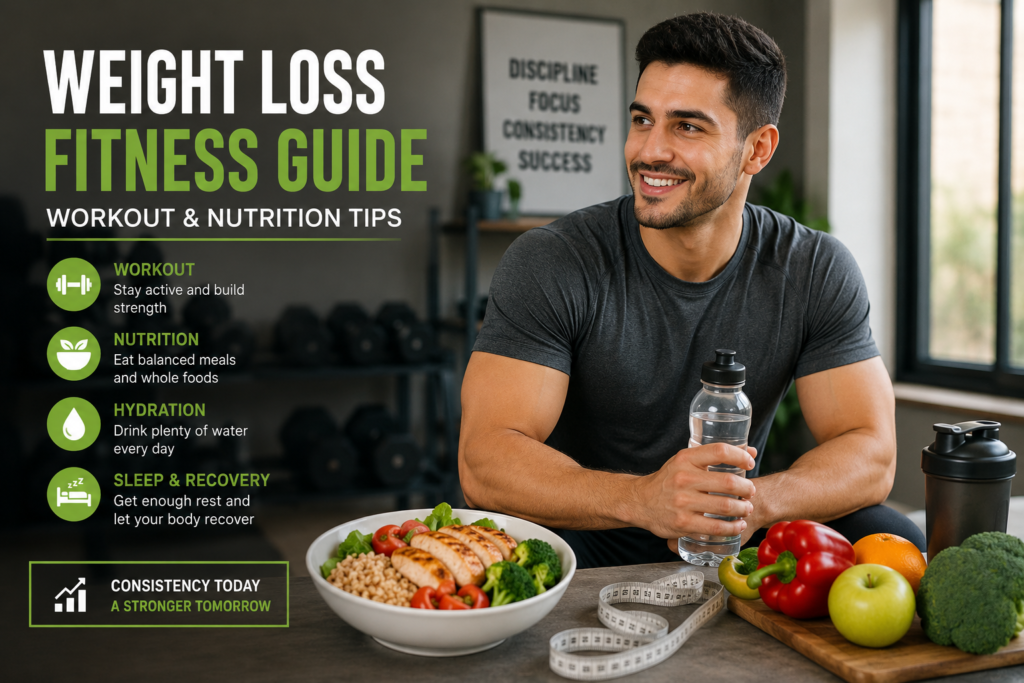
Losing weight is not about following extreme diets or spending hours in the gym. A successful weight-loss journey usually comes from combining regular physical activity, healthy nutrition, good sleep, and consistent habits.
This Weight Loss Fitness Guide explains simple workout and nutrition tips that can help you lose excess body fat while supporting your overall health and fitness.
What Is Weight Loss?
Weight loss happens when your body uses more energy than you consume over time. However, healthy weight loss is not simply about eating as little as possible. The goal should be to develop sustainable habits that help you reduce body fat while maintaining muscle and energy.
A combination of exercise and a balanced diet can make your weight-loss journey more effective and easier to maintain.
Benefits of Exercise for Weight Loss
Regular exercise can support weight management in several ways:
- Helps burn calories
- Supports muscle maintenance
- Improves cardiovascular fitness
- Increases strength and endurance
- Improves mood and energy
- Makes daily activities easier
Exercise is especially useful when combined with healthy eating habits.
Best Workouts for Weight Loss
You do not need expensive equipment to get started. Choose activities that you enjoy and can perform consistently.
1. Walking
Walking is one of the simplest ways to increase daily physical activity. You can start with short walks and gradually increase your distance or pace.
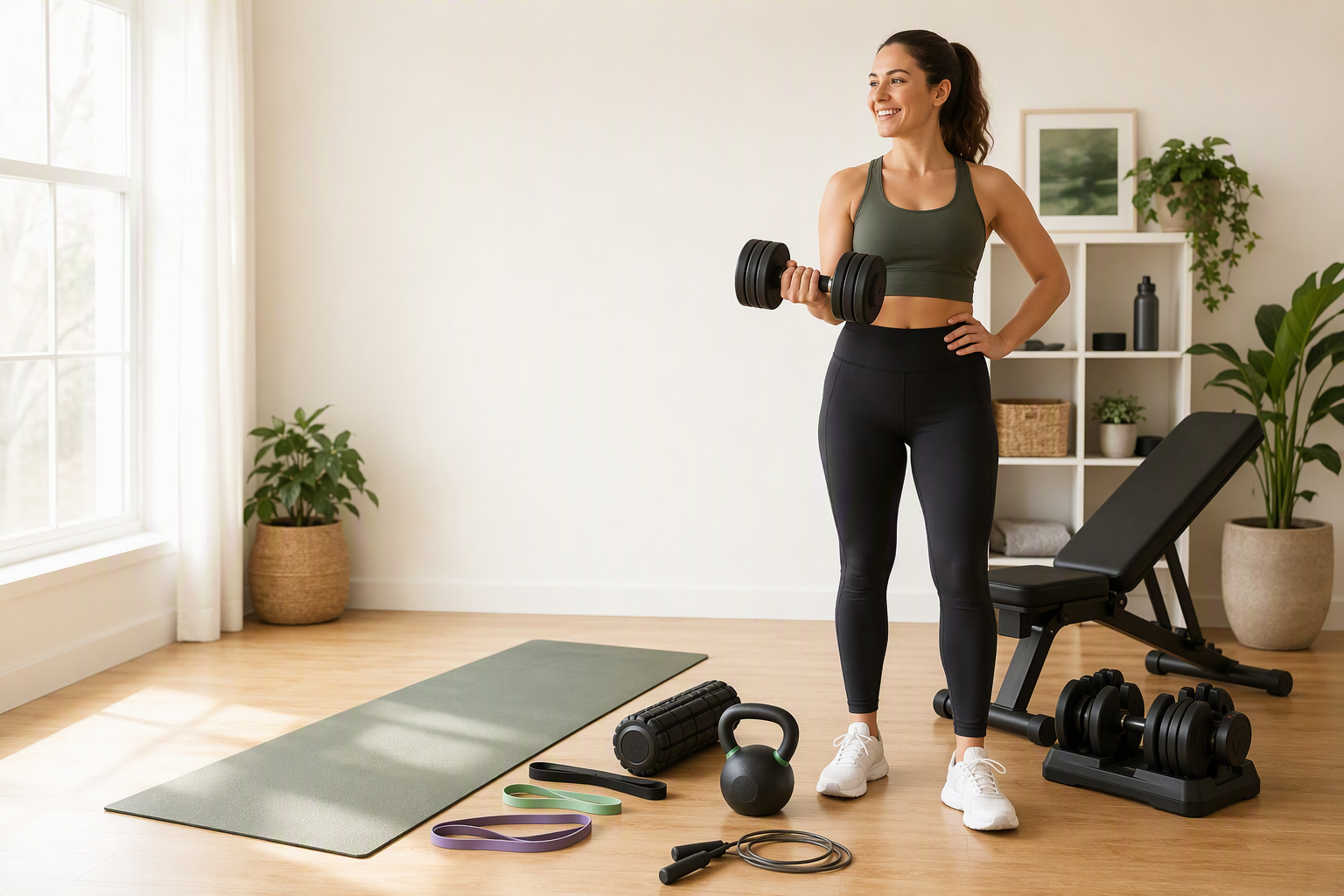
2. Strength Training
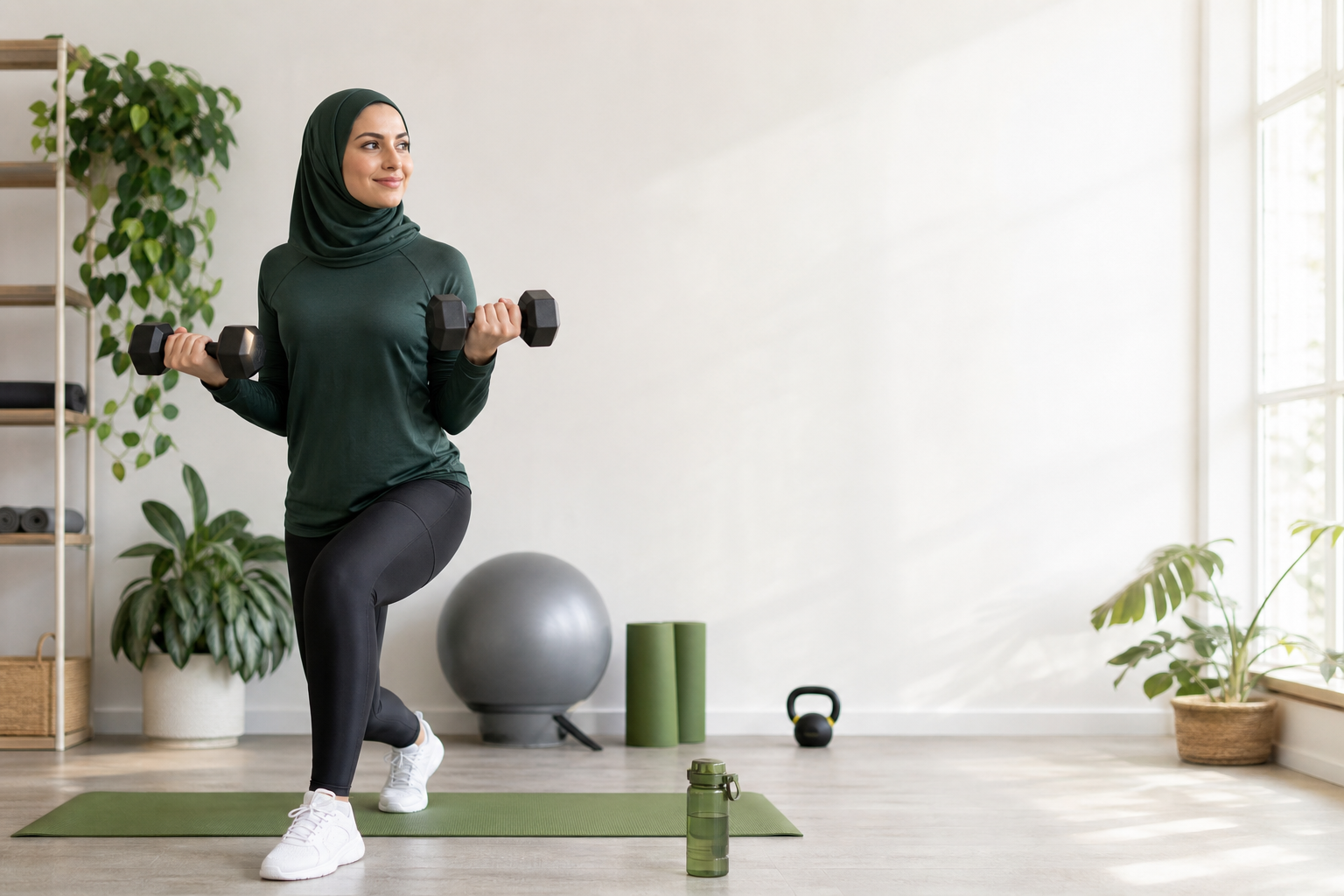
Strength training can help maintain and build muscle while you lose weight. Exercises such as squats, push-ups, lunges, rows, and presses can be included in a beginner workout routine.
3. Cardio
Cardiovascular exercises can increase your heart rate and help you become more active. Examples include:
- Jogging
- Cycling
- Swimming
- Brisk walking
- Dancing
- Jumping rope
Choose an activity that matches your fitness level.
4. High-Intensity Interval Training
High-intensity interval training, or HIIT, involves alternating short periods of harder exercise with recovery periods. It can be an efficient workout option for people who have limited time.
Beginners should start gradually and focus on proper exercise technique.
How Often Should You Exercise?
Your ideal workout schedule depends on your current fitness level, goals, and lifestyle.
A simple weekly routine could include:
- 3 days: Strength training
- 2–3 days: Walking or cardio
- Daily: Light movement and normal physical activity
- 1–2 days: Recovery or easier activity
You do not have to follow this exact schedule. The most important factor is choosing a routine that you can maintain.
Nutrition Tips for Weight Loss
Exercise is only one part of the process. Your food choices also have a major influence on weight management.
Eat More Protein
Protein can help you feel satisfied and supports muscle maintenance. Good sources include:
- Eggs
- Chicken
- Fish
- Lean meat
- Beans
- Lentils
- Greek yogurt
- Milk
- Nuts and seeds
Try to include a source of protein in your main meals.
Eat More Fruits and Vegetables
Fruits and vegetables provide important vitamins, minerals, fiber, and water. They can also help make meals more filling without adding excessive calories.
Aim to include a variety of vegetables and fruits throughout your day.
Choose High-Fiber Foods
Fiber can help you feel full for longer. Good sources include:
- Oats
- Beans
- Lentils
- Whole grains
- Vegetables
- Fruits
- Seeds
Gradually increasing fiber while drinking enough water can support healthy digestion.
Limit Highly Processed Foods
You do not necessarily need to completely eliminate your favorite foods. However, foods that are very high in added sugar, unhealthy fats, or calories can make it harder to maintain a calorie deficit when eaten frequently.
Try to make nutritious foods the foundation of your diet while enjoying treats in moderation.
Drink Enough Water
Water is essential for normal body function and can help you stay hydrated during exercise.
Choose water as your main beverage and limit frequent consumption of sugary drinks. If you exercise heavily or sweat a lot, your hydration needs may be higher.
Understanding Calories
Calories are a measure of energy. To lose weight, most people need to consume fewer calories than their body uses over time.
This does not mean you should drastically reduce your food intake.
Instead, focus on small sustainable changes such as:
- Reducing sugary drinks
- Controlling portion sizes
- Eating more vegetables
- Choosing lean protein
- Limiting frequent high-calorie snacks
- Increasing physical activity
A moderate approach is generally easier to maintain than an extreme diet.
Strength Training and Muscle Maintenance
When losing weight, preserving muscle is important. Strength training can help provide your muscles with the stimulus they need while you reduce body fat.
A simple full-body workout can include:
| Exercise | Sets | Repetitions |
|---|---|---|
| Squats | 2–3 | 8–12 |
| Push-Ups | 2–3 | 8–12 |
| Dumbbell Rows | 2–3 | 8–12 |
| Lunges | 2 | 8–12 each leg |
| Shoulder Press | 2 | 8–12 |
| Plank | 2–3 | 20–45 seconds |
Start with a resistance level that allows you to maintain good technique.
The Importance of Sleep
Sleep is often overlooked when people focus on weight loss. Getting enough quality sleep can support recovery, energy, and healthy daily habits.
Try to maintain a regular sleep schedule and create a relaxing environment that makes it easier to get adequate rest.
Common Weight Loss Mistakes
Following Extreme Diets
Very restrictive diets can be difficult to maintain and may leave you feeling tired or constantly hungry.
Doing Only Cardio
Cardio is useful, but combining it with strength training can provide a more balanced fitness program.
Skipping Meals Without a Plan
Skipping meals does not automatically lead to better results. What matters most is your overall food intake and the quality of your diet.
Expecting Fast Results
Healthy weight loss takes time. Your weight can also fluctuate from day to day because of water, food, and other factors.
Ignoring Progress Beyond the Scale
Body weight is only one measurement. You can also track:
- Waist measurements
- Strength
- Fitness level
- Energy
- How your clothes fit
- Workout performance
Simple Daily Habits for Weight Loss
Small habits can make a significant difference when practiced consistently.
Try to:
- Walk more during the day.
- Drink water regularly.
- Include protein in your meals.
- Eat plenty of vegetables and fruits.
- Reduce sugary drinks.
- Follow a regular workout routine.
- Get enough sleep.
- Track your progress.
- Avoid extreme diets.
- Stay consistent even when progress feels slow.
Final Thoughts
A successful Weight Loss Fitness Guide should focus on realistic habits rather than quick fixes. Combine regular workouts with nutritious foods, appropriate portions, adequate sleep, and consistent daily movement.
You do not need to change everything at once. Start with a few manageable habits, gradually increase your activity, and make healthier food choices over time.
The best weight-loss plan is one that you can follow consistently and safely for the long term.