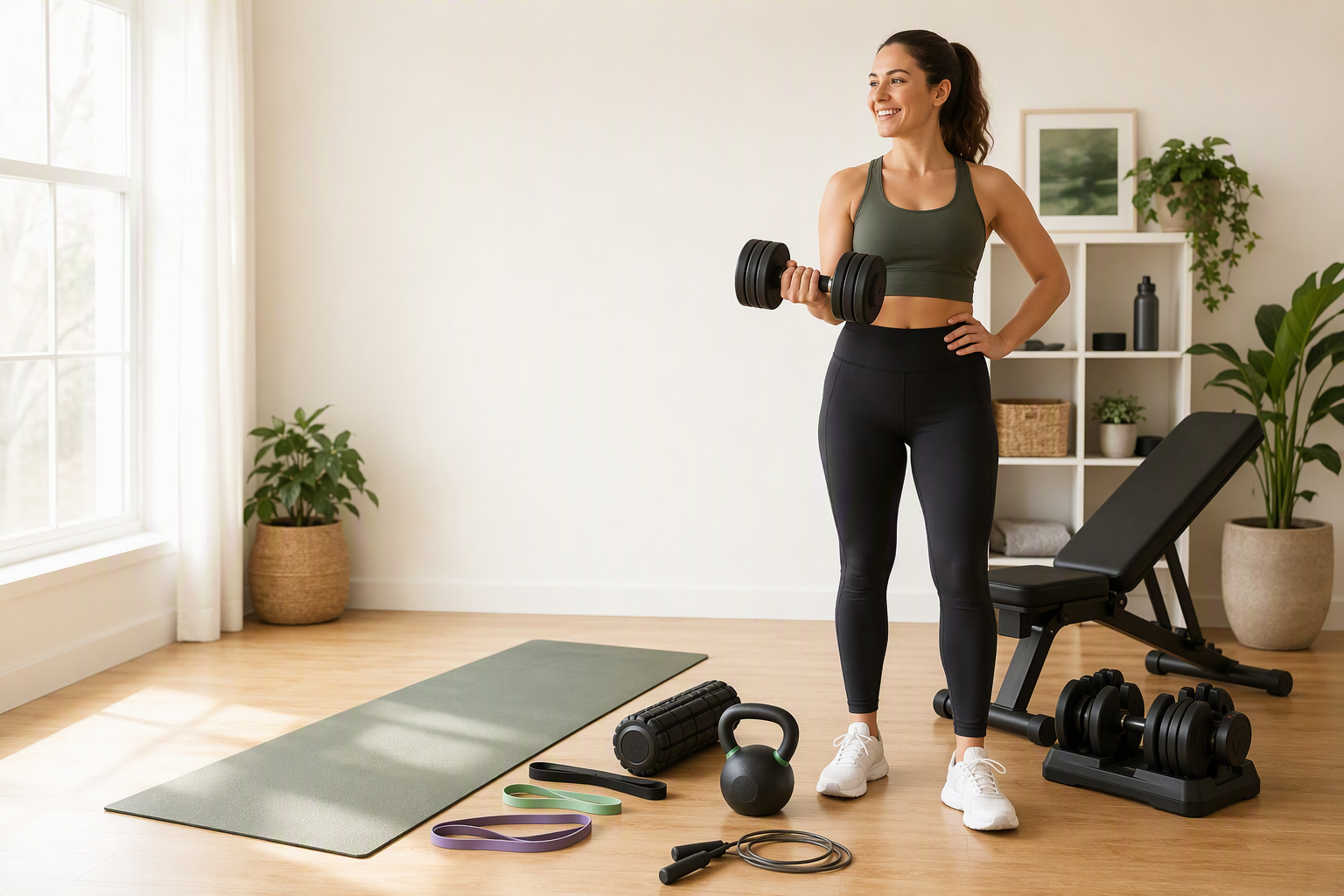

Weight Loss Is Not About Starving Yourself – It Is About Having the Right Plan
Many women start a weight loss journey hoping to see fast results. However, sustainable weight loss is not built on starvation, extreme workouts or restrictive diets that are impossible to maintain.
Long-term results come from a balanced plan that includes regular exercise, nutritious food, quality sleep and healthy habits.
If you want to feel more energetic, wear your favorite clothes with greater confidence or improve your overall health, today is a great time to start.
What Makes a Weight Loss Journey Successful?
Weight loss is not only about the number on the scale. It is also about:
- Having more energy
- Building strength and endurance
- Supporting heart health
- Sleeping better
- Feeling more confident and active
- Creating habits you can maintain over time
The best goal is healthy, sustainable progress that becomes part of your lifestyle instead of a short-term plan you abandon after a few weeks.
7 Steps Women Can Take to Start Healthy Weight Loss
1. Set a clear and realistic goal
Do not begin with an overwhelming goal that could make you lose motivation. Set specific goals such as:
- Exercising three to four times per week
- Taking a walk every day
- Drinking more water
- Reducing sugary drinks
- Eating more vegetables and protein
A clear goal makes it easier to track your progress and stay motivated.
2. Combine cardio with strength training
Cardio exercises such as brisk walking, cycling and dancing can help you stay active and improve your endurance.
Strength training exercises such as squats, lunges, modified push-ups and resistance exercises can help you build muscle and strengthen your body.
A balanced fitness plan can include both types of exercise. You do not need to start with intense workouts. Begin at a level you can maintain consistently.
3. Make every meal balanced
Healthy eating does not mean completely eliminating all the foods you enjoy. Balance and portion awareness are important.
Try to include:
- A variety of vegetables
- Fruit in appropriate portions
- Protein such as eggs, fish, chicken, beans or lean meat
- Nutritious carbohydrates such as oats, potatoes, brown rice or whole-grain bread
- Healthy fats such as nuts, avocado or olive oil
These foods can provide important nutrients and help you feel satisfied, which may make it easier to avoid overeating.
4. Do not forget to drink water
Sometimes you may think you are hungry when your body actually needs fluids. Drinking enough water can support your energy levels and help you maintain healthy daily habits.
Make water part of your routine. Start your morning with a glass of water, carry a bottle when you go to work or exercise, and drink regularly throughout the day.
5. Get enough sleep
Poor sleep can affect your energy, appetite and ability to follow your health plan.
Create a consistent sleep schedule, reduce screen use before bed and aim for a calm, comfortable sleep environment.
6. Track more than your weight
The scale is not the only way to measure progress. You can also track:
- How your clothes fit
- Your daily energy levels
- Your ability to complete exercises
- Body measurements
- Sleep quality
- How you feel physically and mentally
Progress may sometimes be slow, but that does not mean your effort is not working.
7. Choose a plan you can maintain
The best plan is not the most extreme one; it is the one you can follow consistently. If a plan leaves you constantly exhausted or hungry, it may not be sustainable for you.
Choose exercises you enjoy, foods you can access and a schedule that fits your lifestyle.
A Simple Beginner Weekly Fitness Plan
This is a general example for someone who is just getting started:
- Monday: Brisk walking and stretching
- Tuesday: Light strength training
- Wednesday: Active recovery or a short walk
- Thursday: Cardio and beginner bodyweight exercises
- Friday: Full-body strength training
- Saturday: An activity you enjoy, such as dancing or a longer walk
- Sunday: Rest and prepare for the week ahead
If you are new to exercise, gradually increase the duration and intensity of your workouts. Listen to your body and stop if you experience unusual pain.
Common Mistakes to Avoid
Eating too little
Eating far too little can lead to fatigue, intense hunger and difficulty staying consistent. The goal is balanced, nutritious food – not starvation.
Overtraining
Too much exercise without enough recovery can increase fatigue and the risk of injury. Rest is an important part of any fitness plan.
Comparing yourself with other people
Everyone has a different body, schedule, health background and starting point. Compare your progress with where you were yesterday instead of comparing yourself with someone else.
Focusing only on fast results
The most valuable results are the ones you can maintain. Focus on healthy habits that can become part of your lifestyle.
Start Today, Even If You Have Limited Time
You do not need expensive equipment or hours in the gym to begin. Today, you can:
- Take a 20- to 30-minute walk
- Choose water instead of a sugary drink
- Prepare a meal with vegetables and protein
- Complete 10 minutes of light exercise
- Write down one goal for the week
A small action you take today can become the beginning of a major positive change.
Start Your Fitness Journey Today
Healthy weight loss requires patience, consistency and a plan that fits your life. Do not wait for the perfect day. Start with what you have, where you are and the step you can take today.
Take care of your body, make your health a priority and build results you can be proud of.
[Start Your Fitness Plan Today]
Health Disclaimer
This article is for general educational information only and does not replace advice from a doctor, registered dietitian or qualified healthcare professional. If you are pregnant, breastfeeding, have a medical condition or take medication, speak with a healthcare professional before starting a new diet or exercise program.